by Echelon Hospital | Jun 3, 2026 | Blog
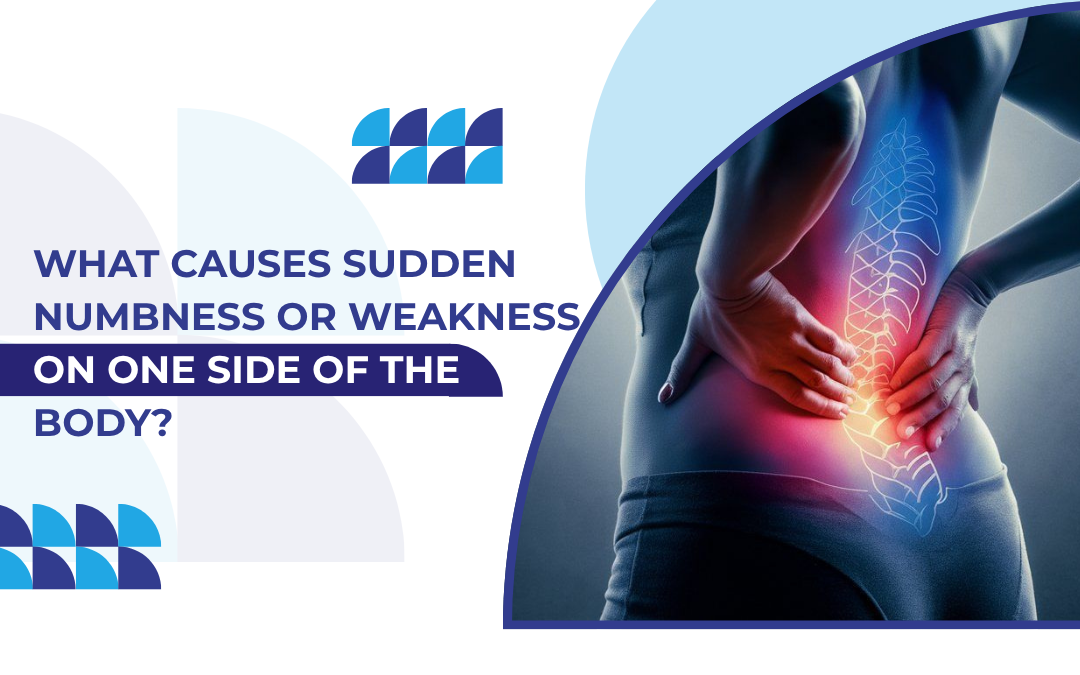
Sudden numbness or weakness affecting one side of the body, whether in the face, arm, or leg, is most commonly caused by a disruption in blood flow or nerve signalling in the brain, with stroke and transient ischaemic attack being the most serious and time-critical...

by Echelon Hospital | Jun 2, 2026 | Blog
Deep brain stimulation (DBS) is a surgical procedure in which thin electrodes are implanted into specific areas of the brain and connected to a small pulse generator placed under the skin of the chest, which delivers continuous electrical impulses to regulate abnormal...
by Echelon Hospital | May 30, 2026 | Blog
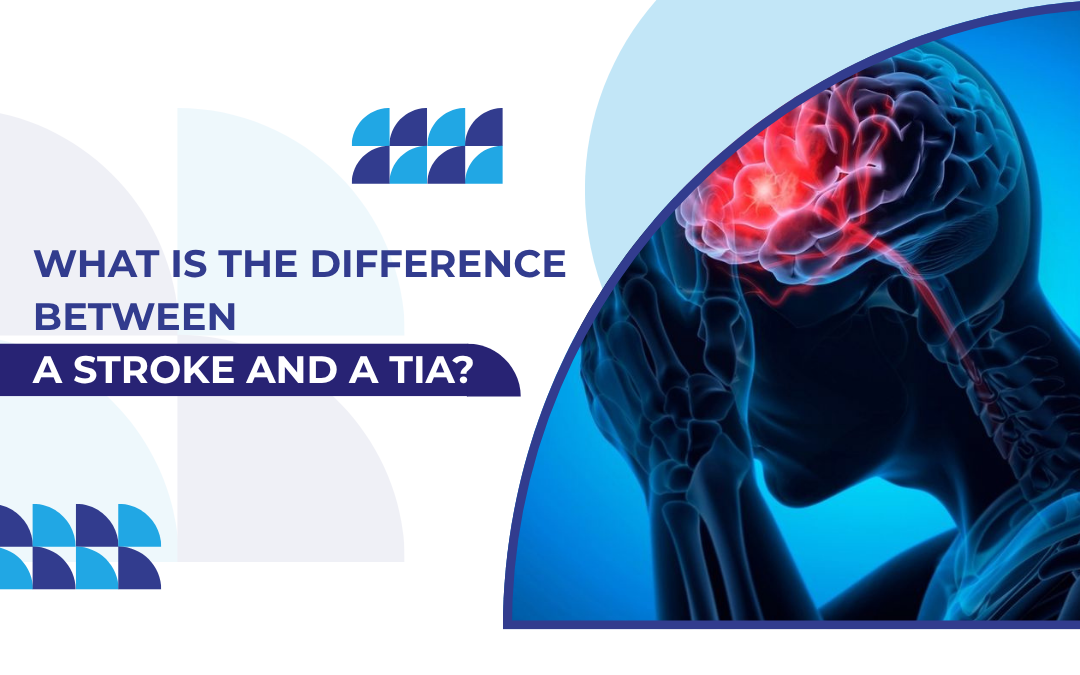
The primary difference is that a stroke occurs when blood supply to part of the brain is cut off long enough to cause permanent damage to brain tissue, whereas a TIA (transient ischaemic attack) involves the same interruption of blood flow but resolves within minutes...
by Echelon Hospital | May 26, 2026 | Blog
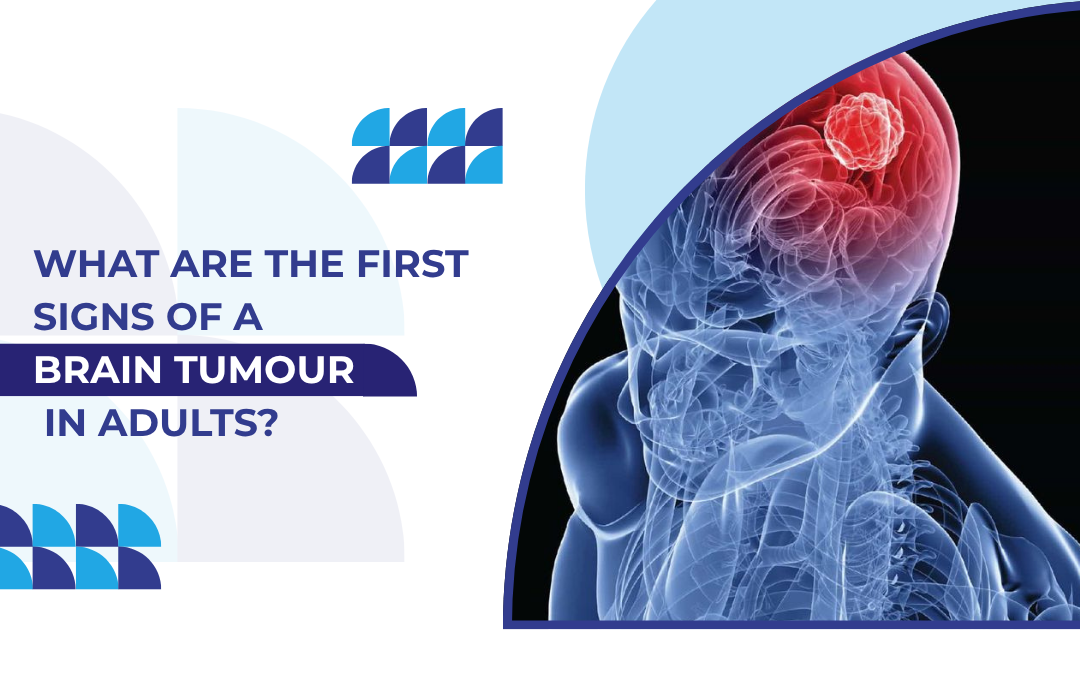
The first signs of a brain tumour in adults are often subtle and vary depending on where the tumour is located, but the most commonly reported early symptoms include persistent or worsening headaches, new-onset seizures, unexplained changes in vision, and gradual...
by Echelon Hospital | May 22, 2026 | Blog
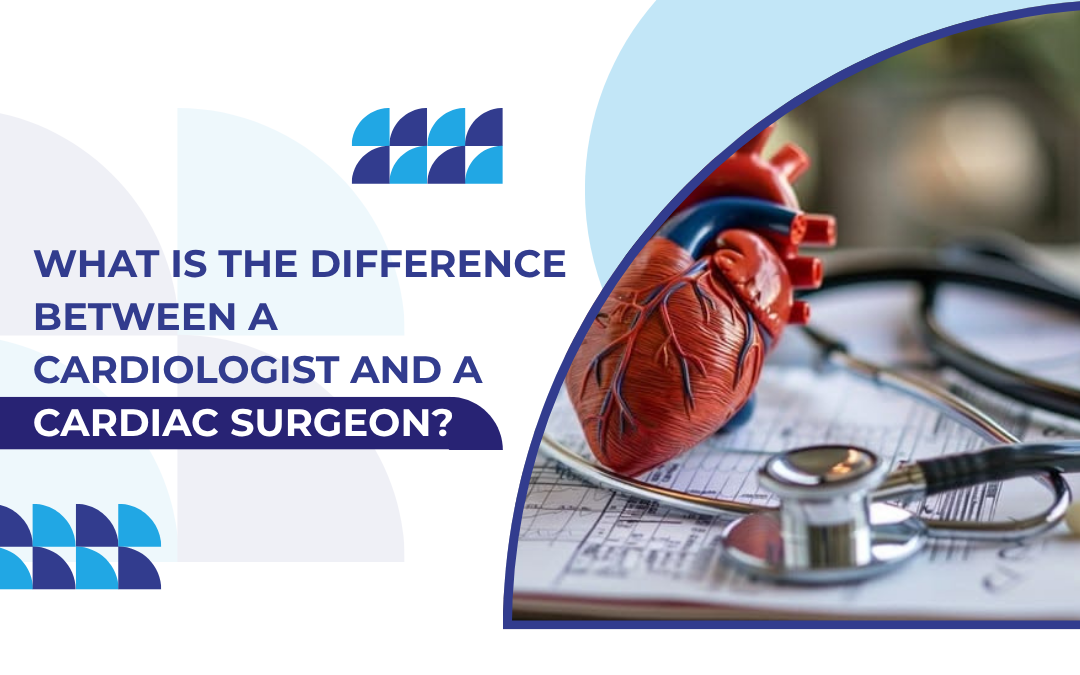
The primary difference is that a cardiologist manages and treats heart conditions using medications, lifestyle changes, and minimally invasive catheter procedures, whereas a cardiac surgeon (or cardiothoracic surgeon) operates on the heart, lungs, and blood vessels...

by Echelon Hospital | May 20, 2026 | Blog
Preparing for a colonoscopy involves a 1 to 3 day process of switching to a low-fibre diet, moving to clear liquids the day before, and taking a prescribed bowel-cleansing laxative so the colon is completely empty for clear viewing. Good preparation is the single...