by Echelon Hospital | Oct 17, 2026 | Blog
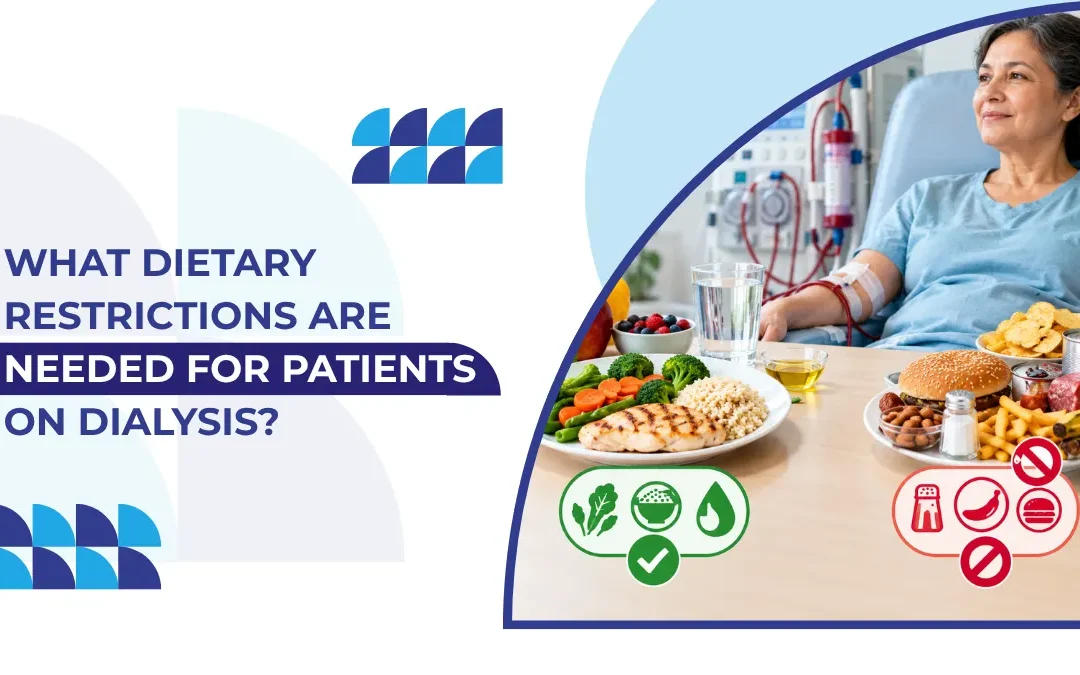
Ask anyone on dialysis and they’ll tell you the diet is part of the treatment. Between sessions the machine isn’t working, so fluid, potassium and phosphorus collect, and the heart and bones pay for it. A dialysis diet holds that in check, and dialysis diet...
by Echelon Hospital | Oct 13, 2026 | Blog
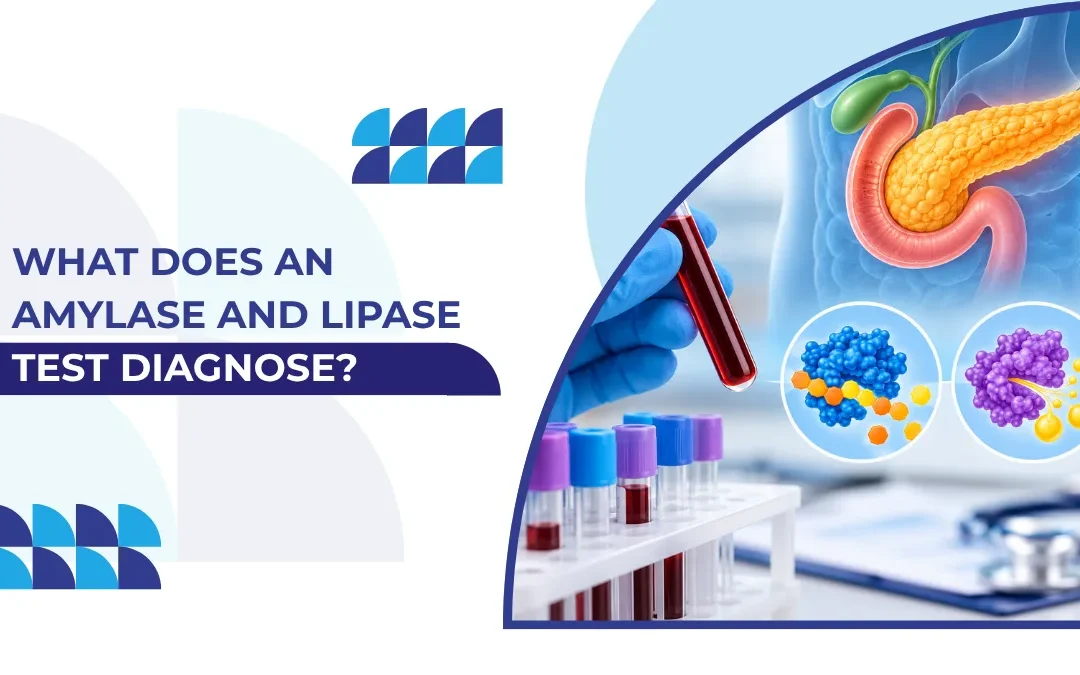
An amylase and lipase test is usually ordered when a patient has upper abdominal pain that radiates to the back, often accompanied by vomiting. Both are digestive enzymes made by the pancreas, and an inflamed gland lets far more of them into the blood than normal. So...
by Echelon Hospital | Oct 10, 2026 | Blog
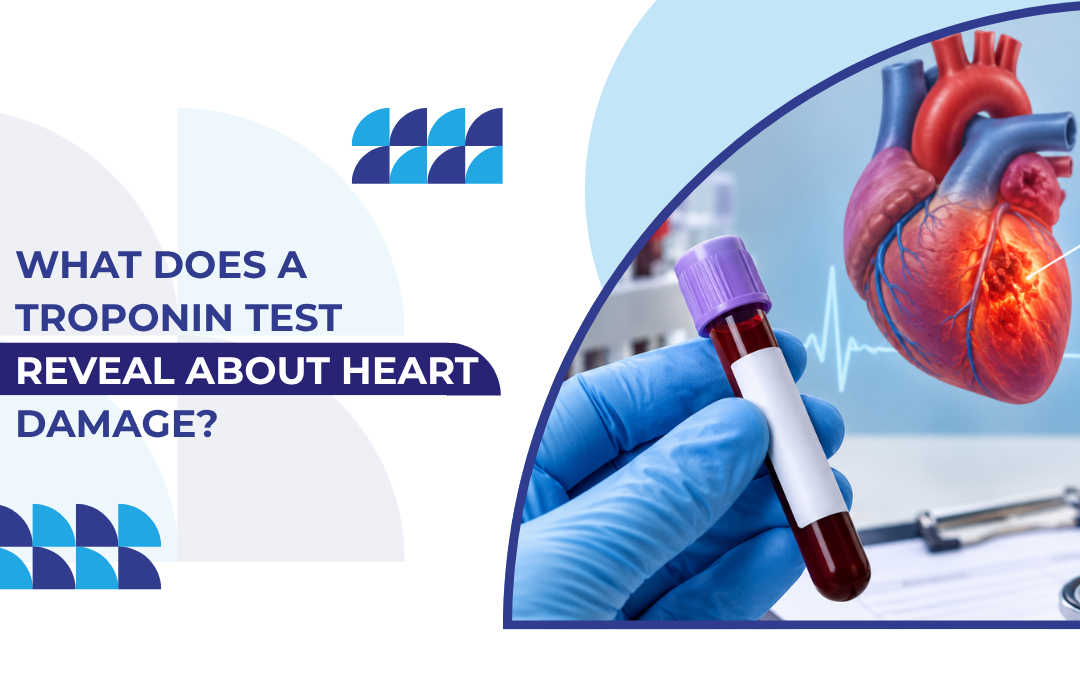
Heart muscle cells carry two proteins of their own, troponin I and troponin T. Injury or a lack of oxygen splits those cells open, and the proteins end up in the blood. A troponin test counts how much has seeped out. When a heart attack is on the table, it is usually...
by Echelon Hospital | Oct 9, 2026 | Blog
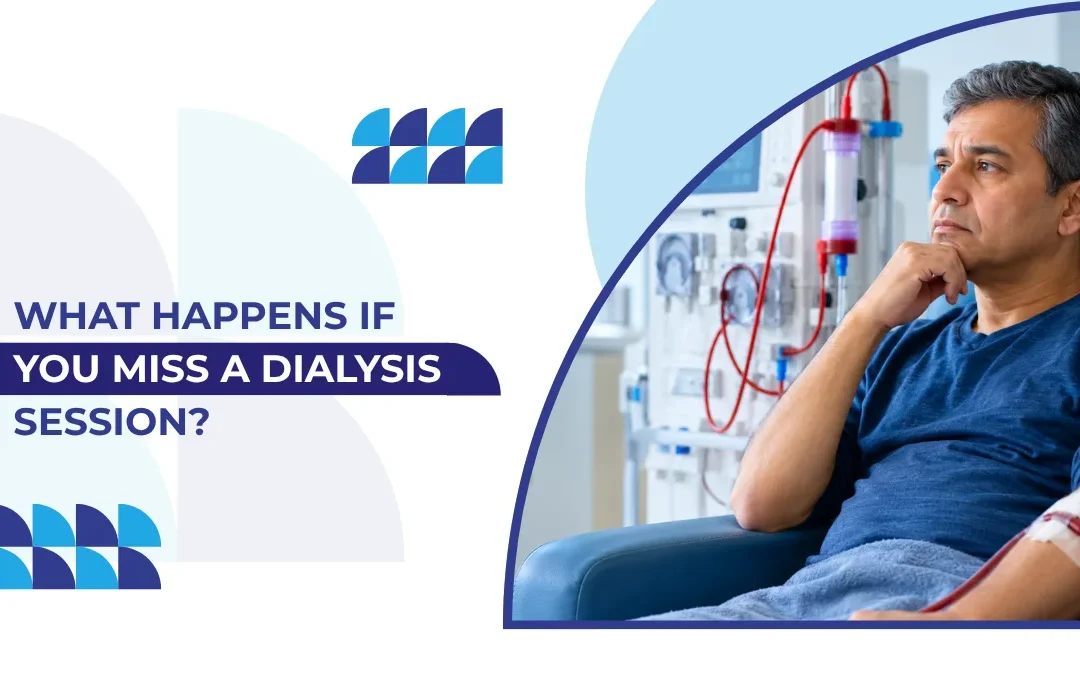
Dialysis does the work failed kidneys can’t, so nothing else steps in when a session is skipped. Water, waste and potassium pile up within a day or so, and the heart is the first organ to feel it. That is why missing a dialysis session is a medical problem and not a...

by Echelon Hospital | Oct 7, 2026 | Blog
Surgery is a big decision, and for many muscle and joint problems it isn’t the first thing doctors reach for. Physiotherapy for pain relief tackles the weakness or stiffness behind the pain, without the risks, costs, or weeks of recovery that come with an operation....

by Echelon Hospital | Oct 5, 2026 | Blog
It’s a common complaint: the glucose reports come back normal, yet you still drag yourself through the day. All a normal result really clears is glucose. The usual constant fatigue causes turn out to be a medical condition, a habit like poor sleep, or a medicine you...