
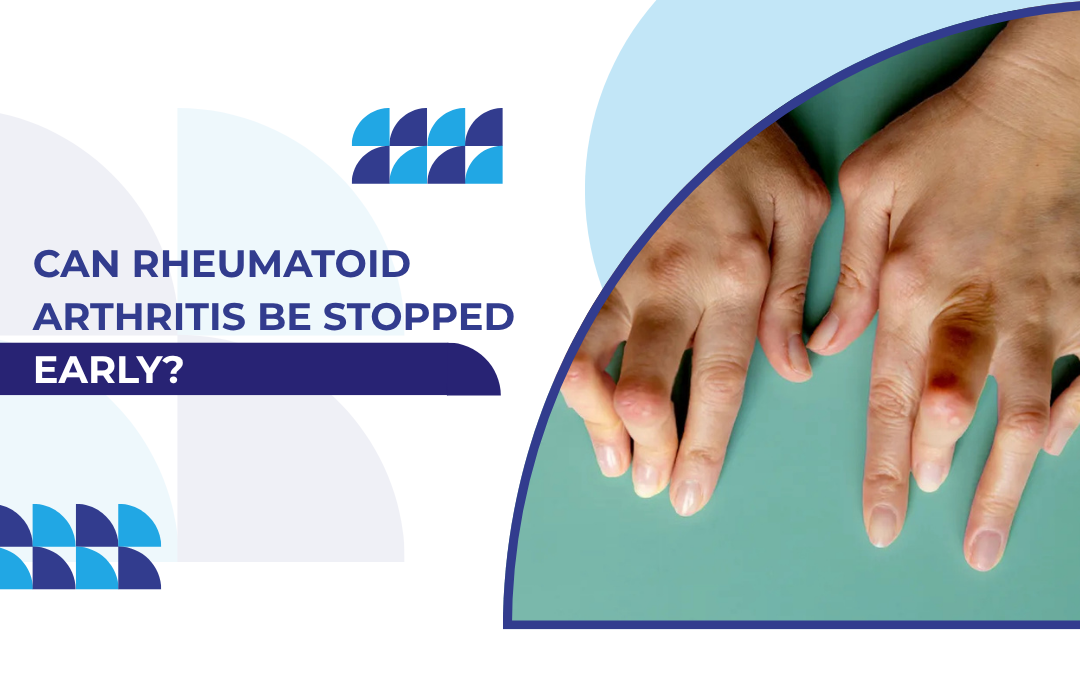
Rheumatoid arthritis is a chronic autoimmune disease where the immune system attacks the lining of its own joints, triggering inflammation that, without treatment, progressively destroys cartilage and bone and leads to permanent deformity.
According to the Rheumatologist at Echelon Hospital, a multispecialty hospital in Kopar Khairane, “RA can’t be cured, but it can be controlled — and the difference between catching it early and catching it late is not small. Patients who start the right treatment within the first few months of symptoms often reach remission. Those who wait years come in with damage we can’t undo.”
What Are the Early Signs of Rheumatoid Arthritis and How Is It Diagnosed?
RA builds gradually. The early signs are easy to explain away which is exactly why so many patients are diagnosed late.
- Morning stiffness that lasts more than an hour is one of the clearest early indicators. Osteoarthritis stiffens joints too, but it eases within minutes of movement. With RA, the stiffness in the fingers, wrists, and feet lingers well into the morning and sometimes most of the day.
- Both sides at once is the pattern that points away from injury or wear and tear. When the same joints on both sides swell together both wrists, both knuckles that symmetry is characteristic of an immune-driven process and needs blood tests, not just pain relief.
- Fatigue that won’t shift, a mild low-grade fever, and a general sense of feeling unwell often accompany early RA. These are systemic signs of active inflammation. Most patients put them down to stress or a lingering virus, and the months pass before anyone checks the blood work.
- Anti-CCP antibody is the most specific diagnostic marker. It can turn positive years before joints show visible damage on imaging. Combined with elevated CRP and ESR, a positive anti-CCP in someone with stiff, symmetrically swollen joints is a strong signal to start treatment fast not watch and wait.
People with this pattern of symptoms should see a specialist without delay.Early rheumatology treatment at Echelon Hospital can confirm the diagnosis and start the right treatment while the window for most effective intervention is still open.
Concerned about persistent joint pain, stiffness, or swelling?
Can Rheumatoid Arthritis Be Stopped and What Does Early Treatment Look Like?
RA won’t resolve on its own. But with the right treatment started early, many patients reach sustained remission no active disease, preserved joint function, normal daily life.
- DMARDs are the foundation of treatment. Methotrexate is usually the first. These aren’t painkillers they act on the immune process itself, slowing or stopping the inflammation that destroys joints. Starting them in the first few months of symptoms is the single most important step. Every month of delay is a month of damage that can’t be reversed later.
- Biologics come in when DMARDs aren’t enough. They target specific proteins in the immune system TNF, IL-6, or particular immune cells with precision that conventional drugs can’t match. For patients with moderate to severe disease that hasn’t responded to methotrexate, biologics have genuinely changed what’s achievable. Remission went from being unusual to being a realistic goal.
- Treat to target means the rheumatologist sets a measurable outcome usually remission or low disease activity and adjusts treatment until that number is hit. Not “let’s see how things go.” A defined target, reviewed regularly, changed if it isn’t met. This structured approach consistently outperforms reactive management.
- Lifestyle factors matter more than most patients expect. Smoking reduces how well DMARDs work significantly. Low-impact exercise keeps joints mobile. And other inflammatory conditions like uncontrolled blood sugar amplify RA activity, which is why recognising the early symptoms of Type 2 diabetes matters for anyone managing an autoimmune condition.
Getting the diagnosis right and starting treatment early is what separates patients who keep full joint function from those who don’t. The window is real but it closes.
Why Choose Echelon Hospital for Rheumatology Care in Kopar Khairane
Echelon Hospital is a NABH pre-accredited multispecialty hospital in Kopar Khairane, Navi Mumbai. The rheumatology team manages rheumatoid arthritis, lupus, gout, ankylosing spondylitis, and complex autoimmune cases, with access to biological therapies, infusion services, and physiotherapy within the hospital. Reviews are built around measurable targets not just how the patient feels on the day.
FAQ
Is rheumatoid arthritis the same as osteoarthritis?
No RA is autoimmune, osteoarthritis is wear and tear. Different cause, different treatment, different specialist.
Can rheumatoid arthritis go into remission?
Many patients reach remission with early DMARD treatment and maintain it with continued medication and regular monitoring.
Which joints does rheumatoid arthritis affect first?
Usually the small joints fingers, wrists, and feet typically on both sides of the body at once.
Is rheumatoid arthritis hereditary?
There’s a genetic component, but most people with RA have no family history immune triggers and environment also play a significant role.
References:
- Rheumatoid Arthritis National Institute of Arthritis and Musculoskeletal and Skin Diseases (NIAMS): https://www.niams.nih.gov/health-topics/rheumatoid-arthritis
- Rheumatoid Arthritis Overview MedlinePlus, National Library of Medicine: https://medlineplus.gov/rheumatoidarthritis.html
Disclaimer: This blog is for educational purposes only and is not a substitute for professional medical advice. Please consult a qualified doctor for guidance specific to your case.