
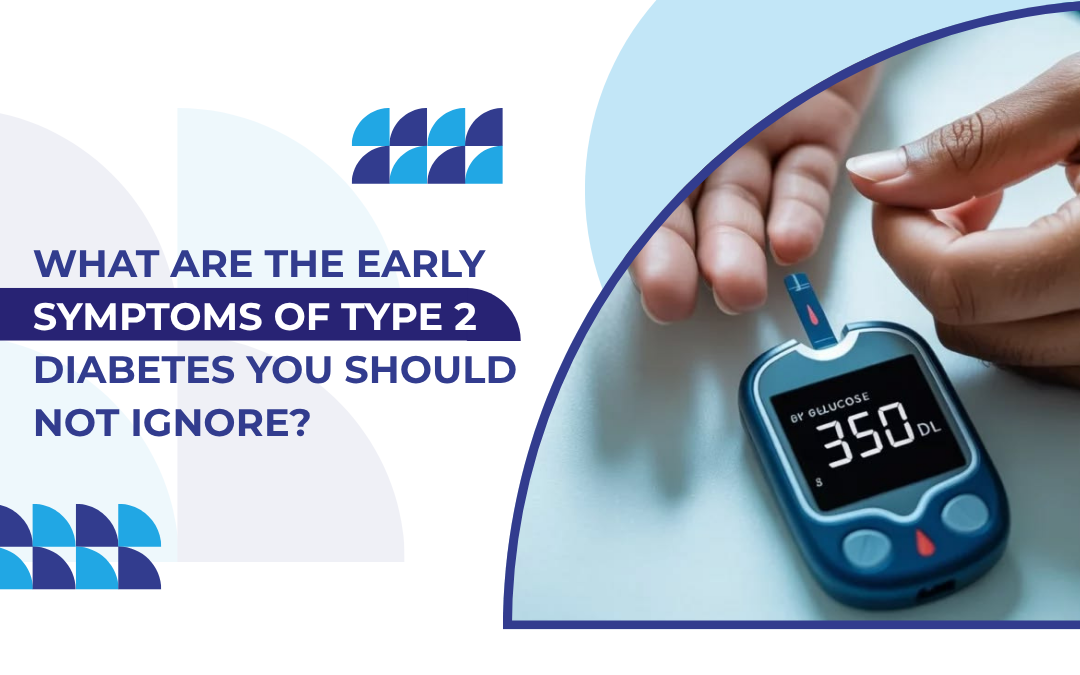
The early symptoms of Type 2 diabetes develop gradually and are frequently dismissed as signs of tiredness or ageing, but persistent excessive thirst, frequent urination, unexplained fatigue, slow-healing wounds, and blurred vision are among the most consistently reported warning signs that blood sugar levels have been elevated for a significant period.
According to a Diabetologist at Echelon Hospital, a multispecialty hospital in Kopar Khairane,
“Type 2 diabetes is often called a silent condition because many people live with elevated blood sugar for years before they are diagnosed. The symptoms are there, but they come on so gradually that patients adapt to them without realising something is wrong, and by the time the diagnosis is made, complications have sometimes already begun.”
Which Early Symptoms of Type 2 Diabetes Are Most Commonly Missed?
Type 2 diabetes affects the body’s ability to use insulin effectively, causing glucose to accumulate in the bloodstream rather than entering cells for energy. This leads to a recognisable cluster of symptoms that reflect the body’s attempts to manage excess blood sugar and compensate for cellular energy deficiency.
- Excessive thirst and frequent urination: When blood glucose is elevated, the kidneys work harder to filter and excrete the excess sugar, pulling water with it and producing more urine, which in turn triggers persistent thirst that is disproportionate to fluid intake or activity level.
- Unexplained fatigue and low energy: Because cells cannot use glucose effectively without adequate insulin function, the body is deprived of its primary fuel source even when blood sugar is high, leading to persistent tiredness that does not improve with rest and is often mistaken for stress or overwork.
- Blurred vision and slow-healing wounds: Elevated blood sugar affects the lens of the eye by altering its fluid balance, causing temporary blurring, while poor circulation and impaired immune function delay wound healing, particularly in cuts or sores on the feet and legs.
- Tingling, numbness, or darkened skin patches: Tingling or numbness in the hands and feet can indicate early peripheral nerve damage from prolonged high blood sugar, while dark, velvety patches of skin in the neck creases or armpits, known as acanthosis nigricans, are a visible sign of insulin resistance.
The endocrinology and diabetology team at Echelon Hospital provides structured diabetes screening, HbA1c and fasting glucose testing, and personalised management plans for patients at all stages of the condition.
Concerned about blood sugar symptoms or a family history of diabetes?
Who Is at Risk and When Should Screening Begin?
Type 2 diabetes develops over years before symptoms appear, and certain risk factors significantly raise the likelihood of elevated blood sugar being present even without obvious warning signs.
- Family history and ethnicity: A first-degree relative with Type 2 diabetes, or South Asian ethnicity, substantially increases risk and justifies earlier and more frequent screening than standard population guidelines suggest.
- Overweight, obesity, and physical inactivity: Excess body weight, particularly abdominal fat, drives insulin resistance, and a sedentary lifestyle compounds this further, making these the two most modifiable risk factors for preventing or delaying Type 2 diabetes onset.
- Prediabetes and previous gestational diabetes: A fasting glucose or HbA1c reading in the prediabetes range, or a history of gestational diabetes during pregnancy, indicates that the metabolic pathway toward Type 2 diabetes is already active and that lifestyle and medical intervention can meaningfully alter the trajectory.
- Hypertension and high cholesterol: These conditions frequently coexist with insulin resistance and undiagnosed Type 2 diabetes, and managing them in isolation without investigating blood sugar is a missed opportunity understanding high blood pressure and its relationship to metabolic risk is part of comprehensive preventive care.
Adults with any of these risk factors should not wait for symptoms to appear before requesting a blood sugar screen from their doctor.
Why Choose Echelon Hospital for Diabetes and Endocrinology Care in Kopar Khairane ?
Echelon Hospital is a NABH pre-accredited multispecialty hospital in Kopar Khairane, Navi Mumbai, with a dedicated endocrinology and diabetology department offering diabetes screening, HbA1c monitoring, medication management, dietary counselling, and complication screening for eyes, kidneys, and nerves within a single coordinated care pathway. The team takes a long-term approach to diabetes management, combining clinical treatment with structured patient education to help individuals understand and manage their condition effectively.
FAQ
Can Type 2 diabetes develop without any symptoms?
Yes – many people with Type 2 diabetes have no noticeable symptoms and are diagnosed only through routine blood tests, which is why screening is recommended for all high-risk adults.
What is the difference between Type 1 and Type 2 diabetes?
Type 1 diabetes is an autoimmune condition where the body produces no insulin, while Type 2 involves progressive insulin resistance and relative insulin deficiency, typically developing in adults over time.
What blood tests confirm Type 2 diabetes?
A fasting plasma glucose of 126 mg/dL or above, or an HbA1c of 6.5% or higher on two separate occasions, confirms a diagnosis of Type 2 diabetes.
Can Type 2 diabetes be reversed?
Significant weight loss and sustained lifestyle changes can bring blood sugar back to the normal range in some people, though this requires consistent long-term effort and medical supervision.
Is tingling in the feet always a sign of diabetes?
Not always, but persistent or worsening tingling in both feet without an obvious cause should prompt a blood sugar check as diabetic peripheral neuropathy is one of the most common reasons for this symptom.
Disclaimer: This blog is for educational and informational purposes only and should not be considered professional advice.