
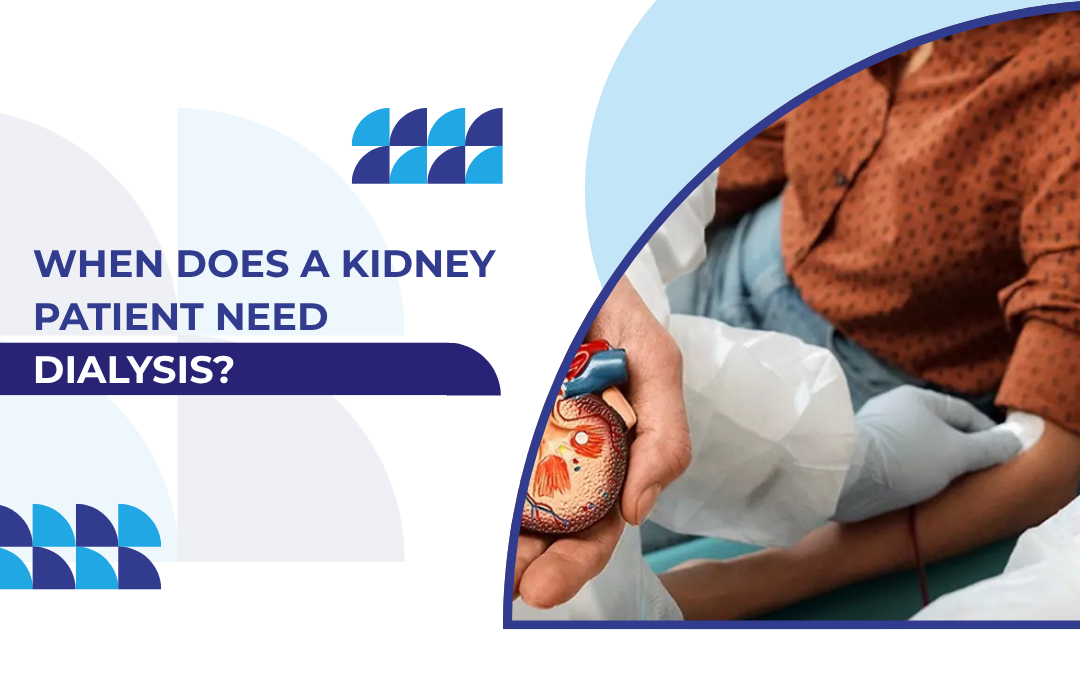
Dialysis removes waste, salt, and extra fluid from the blood once the kidneys can’t do it anymore. There are two ways to do this. Hemodialysis runs blood through an external machine. Peritoneal dialysis uses the body’s own abdominal lining instead. Most doctors bring up dialysis once kidney function drops below fifteen percent, usually somewhere in advanced chronic kidney disease or a bad case of acute kidney injury. Skip it at that stage, and waste builds up fast enough to hit the heart and brain within days.
According to a senior nephrologist at Echelon Hospital, a super speciality hospital in Navi Mumbai, “Patients often wait far longer than they should. And that wait, not the treatment, is usually what causes the real damage.”
How Does Dialysis Actually Work?
Two methods, same goal, but they get there very differently.
Hemodialysis sends blood through a machine called a dialyzer. Three to four hours a session, three times a week, usually at a center.
Peritoneal dialysis doesn’t use a dialysis machine to filter the blood. Instead, the lining of the abdomen, the peritoneum, acts as a natural filter, allowing many patients to perform the treatment at home.
Vascular access comes first, though, at least for hemodialysis. A short surgery creates a fistula or graft, providing a reliable access point for treatment.
Fluid removal is really the whole point, either way. Extra fluid that’s been sitting there, causing the swelling and the breathlessness, finally has somewhere to go.
Picking between the two usually starts with a proper kidney assessment. Urinary health tends to decide it more than preference does.
Wondering if your kidney reports point toward dialysis?
When Does a Kidney Patient Actually Need Dialysis?
Not every kidney patient needs dialysis. Timing is the real question here, more than the diagnosis itself.
Kidney function under fifteen percent, or a GFR sitting in the single digits. At that point, there’s not much left to wait for.
Fluid overload that medication just won’t touch. Swelling in the legs, fluid around the lungs or heart, the kind that keeps coming back.
Toxin buildup shows up as confusion, nausea, sometimes a strange metallic taste that won’t go away. That’s uremia talking, and it means the blood needs help filtering itself.
High potassium. Sounds minor. It isn’t. It can throw off the heart’s rhythm fast, and dialysis fixes that quicker than any medication can.
Diabetes and high blood pressure cause most of this in the first place. Dialysis also strains the heart over time, so an echocardiography test tends to become routine for anyone on it long-term.
Why Choose Echelon Hospital
Nephrology and critical care work side by side at Echelon Hospital, covering dialysis access, vascular health, and ongoing kidney monitoring without shuffling patients between departments. It’s a 140-bed setup built with exactly this kind of long-term care in mind.Dialysis isn’t a one-time fix. It’s a routine, and routines need consistency more than they need guesswork.
FAQ
Is dialysis painful?
Not really. Needle placement is the only uncomfortable part, not the filtering itself.
Can dialysis ever be stopped?
Sometimes, yes, if kidney function recovers enough. Depends entirely on the cause.
How long does one session take?
Usually three to four hours, three times a week for hemodialysis.
Does dialysis replace a kidney transplant?
No. Dialysis manages failure. Transplant is still the long-term goal.
References :
- Hemodialysis — NIDDK: https://www.niddk.nih.gov/health-information/kidney-disease/kidney-failure/hemodialysis
- Choosing a Treatment for Kidney Failure — NIDDK: https://www.niddk.nih.gov/health-information/kidney-disease/kidney-failure/choosing-treatment
Disclaimer: This blog is for general awareness only and does not replace professional medical consultation.