
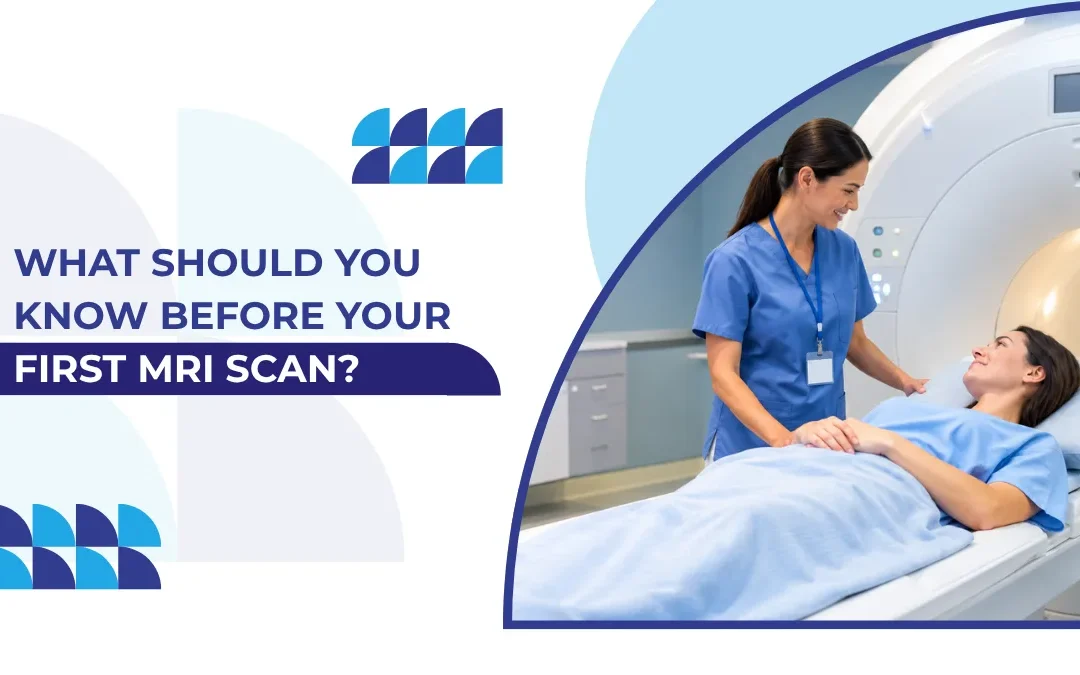
An MRI scan uses a big magnet and radio waves to photograph the inside of the body, and unlike an X-ray or CT scan it uses no radiation at all. You won’t feel a thing. It is loud, though, you have to stay still, and a few things need sorting out before you go in. Good MRI scan preparation takes most of the surprise out of the day.
According to a senior radiologist at Echelon Hospital, a multispecialty hospital in Navi Mumbai, “Most problems on the day come from things people forgot to mention, like an old implant or a dread of tight spaces. Tell the team early and they can sort almost all of it out before you lie down.”
What Should You Sort Out Before the Day of the Scan?
Every scan comes with its own instructions, so follow those if they differ from the general advice. For most first-timers the checklist is short.
- Metal and clothing: keep watches, jewellery, hairpins, coins, keys and hearing aids at home. If your clothes have zips or metal buttons you’ll probably be given a gown, and some make-up contains metal too, so go without.
- Implants and devices: a pacemaker, cochlear implant, brain aneurysm clip, nerve stimulator, or an old bullet or shrapnel needs to be mentioned. Joint replacements and plates are usually fine, but a few older devices aren’t, so carry the device card if you have one.
- Pregnancy, kidneys and allergies: tell them if you are or could be pregnant, are breastfeeding, live with kidney trouble, or have reacted to contrast dye in the past. A scan with contrast sometimes needs a blood test first to check the kidneys.
- Food, medicines and nerves: most people can eat and take their usual tablets, though a few scans want you to go without food for several hours. If small spaces worry you, mention beforehand. An open scanner or a mild sedative may be possible, and with a sedative you’ll need a lift home.
If you are booking an MRI at a doctor’s hospital, ask for written preparation instructions, since they differ by body part. This page on MRI scan gives an overview of the service.
Have an MRI scheduled? Contact us if you have any questions.
What Is It Like Inside the Scanner and How Long Does It Last?
Most scans last between 30 and 60 minutes, though some are shorter and a few run longer. The radiographer works from the next room, but you can talk to each other the whole time.
- Getting settled: the radiographer helps you onto the table, sometimes with a pillow under your knees or a small coil strapped around the area being scanned. The table then slides into a short tunnel. Some exams can be done in an open or wider scanner.
- The noise: expect loud knocking and thumping whenever the machine takes pictures. Earplugs or headphones go in first, and a few centres let you choose some music.
- Keeping still: even a small shift can smudge the pictures, so get comfortable before the scan starts and stay put. Some scans ask you to hold your breath for ten seconds or so. If you need help, there’s a squeeze-ball in your hand and an intercom.
- Contrast dye: certain scans use a dye that’s injected into a vein halfway through. It can feel warm for a moment or leave a metallic taste, and both pass quickly.
Contrast comes up with CT scans too, and this read on contrast vs non-contrast CT scan explains when dye is used and why.
What Comes After the Scan and How Soon Are the Results Ready?
Unless you were sedated, you can get straight back to normal, eat what you like and carry on with your day. The results take longer, because a radiologist has to study every image.
- Right after the scan: most people leave as soon as it’s over. If you had contrast, staff may ask you to wait for up to half an hour in case of a reaction. If you were sedated, arrange for someone to take you home and give driving a miss for the rest of the day.
- Side effects: contrast can leave you queasy, with a headache, a metallic taste or a small bruise at the needle site. A serious allergic reaction is rare, but if you feel unwell at any point, say so straight away.
- The report: a radiologist studies the images and sends a written report to the doctor who ordered the scan. It might take a few hours when it’s urgent, or a couple of weeks at a busy centre.
- Next steps: the report is read together with your symptoms and examination, and it may lead to more tests or a follow-up scan. Your doctor can explain the wording, so it’s better to ask than to look up the report’s terms on your own.
Not everyone can have an MRI, since some implants rule it out. In that case a CT scan is often the alternative.
Key Takeaways: An MRI takes its pictures with a magnet and radio waves, so there is no radiation, and the scan itself doesn’t hurt. Before you go, tell the team about any metal or implants in your body, a possible pregnancy, kidney trouble or an earlier reaction to contrast dye. Plan on about an hour, most of which you’ll spend lying still in a noisy tunnel. A radiologist writes the report afterwards, and your own doctor will go through what it says.
FAQ
How long is an MRI scan?
Expect somewhere between 30-60 minutes. Contrast or a larger area of the body can add time.
Do I need to fast for an MRI scan?
Not always. Scans of the abdomen, or ones that use contrast, can mean several hours without eating. Follow the instructions you’re given.
Is an MRI scan safe?
Yes, it uses no radiation. Metal in the body is the one real concern, which is why the first questions are about implants and devices.
Can I have an MRI if I’m afraid of enclosed spaces?
Yes, inform the team when you book. An open or wider scanner, a mild sedative, or having someone with you may be possible.
References
-
National Health Service (NHS), MRI Scan: https://www.nhs.uk/tests-and-treatments/mri-scan/
-
RadiologyInfo.org (RSNA and ACR), How to Prepare for Your MRI Exam: https://www.radiologyinfo.org/en/info/how-to-prepare-for-mri-exam
Disclaimer: This blog is for educational and informational purposes only and should not be considered professional advice.