
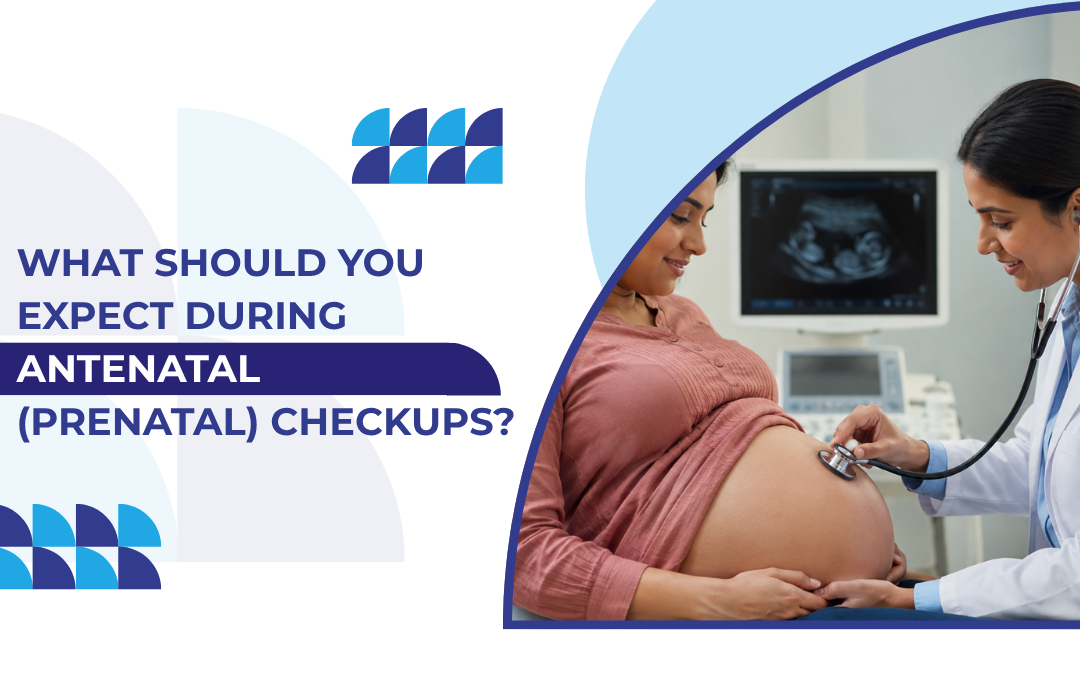
Antenatal checkups involve a mix of routine measurements, blood pressure and weight, alongside checks on the baby’s growth and heartbeat. Urine and blood tests come up regularly too. So does guidance on nutrition, vitamins, and whatever symptoms happen to be bothering you that month. Visits typically start once every four weeks, then shift to weekly as the due date gets closer. Knowing the general antenatal checkup schedule ahead of time makes each visit feel a lot less like a surprise.
According to the senior obstetrician at Echelon Hospital, a super speciality hospital in Navi Mumbai, “First time mothers often assume these visits are just a formality, a quick check and out the door. They’re not. Each visit tracks a slightly different marker, and catching something early, whether it’s blood pressure or the baby’s position, changes what happens later in the pregnancy.”
What Happens at Each Antenatal Checkup?
The specifics shift a little depending on the trimester. But a few things get checked at nearly every visit.
-
Blood pressure and weight: tracked at every appointment, since sudden changes in either can point to complications worth catching early.
-
Fetal growth and heartbeat: measured through the belly and confirmed with a handheld monitor or ultrasound, depending on how far along you are.
-
Urine and blood tests: screen for infections, anemia, and gestational diabetes, and these get repeated at set intervals through the pregnancy.
-
Nutrition and symptom guidance: covers vitamins, diet adjustments, and whatever’s come up since the last visit. Nausea, back pain, sleep issues, that sort of thing.
For anyone searching for a maternity nursing home near me, this kind of consistent, unhurried obstetrics and gynecology care at Echelon Hospital is exactly what makes each checkup worth keeping.
Expecting and not sure when your next checkup should be?
What Is the Typical Antenatal Checkup Schedule?
Frequency isn’t fixed. It changes as the pregnancy progresses and risk factors come into play.
-
First trimester (weeks 4 to 12): an initial visit confirms the pregnancy, followed by checkups roughly every four weeks.
-
Second trimester (weeks 13 to 27): visits stay on a monthly rhythm for most pregnancies, with an anomaly scan usually falling around week 20.
-
Third trimester (weeks 28 to 36): checkups move to every two weeks as the due date approaches and monitoring becomes more frequent.
-
Final weeks (37 onward): visits shift to weekly, tracking the baby’s position and readiness for delivery.
Toward the final stretch, a lot of expecting parents start weighing their delivery options too. This related read on normal delivery vs C-section delivery breaks down what factors into that decision.
Why Choose Echelon Hospital for Antenatal Care?
Echelon Hospital is a NABH pre accredited multispecialty hospital in Kopar Khairane, with an obstetrics and gynecology team that manages antenatal care from the first trimester right through delivery. Patients looking for a maternity nursing home nearby usually want the same reassurance, that the team tracking their pregnancy will also be there for delivery, rather than being handed off between facilities.
Having lab work, ultrasound, and obstetric care under one roof removes a lot of the back and forth that otherwise eats into an already busy nine months. Call +91 8989585050 to book your consultation.
FAQ
How often are antenatal checkups needed?
Roughly every four weeks early on, then weekly closer to delivery.
What tests happen at the first antenatal visit?
Blood tests, urine tests, and an initial ultrasound to confirm the pregnancy.
Can I skip a checkup if I feel fine?
It’s best not to, since some issues show no symptoms until checked.
What if my checkup schedule needs to change?
Your doctor may adjust visit frequency based on risk factors or complications.
References
- World Health Organization, WHO Recommendations on Antenatal Care: https://www.who.int/publications/i/item/9789241549912
- Centers for Disease Control and Prevention, Prenatal Care Overview: https://www.cdc.gov/reproductivehealth/maternalinfanthealth/pregnancy-complications.html
Disclaimer: This blog is for educational purposes only and is not a substitute for medical advice. Please consult your obstetrician for guidance specific to your pregnancy.