
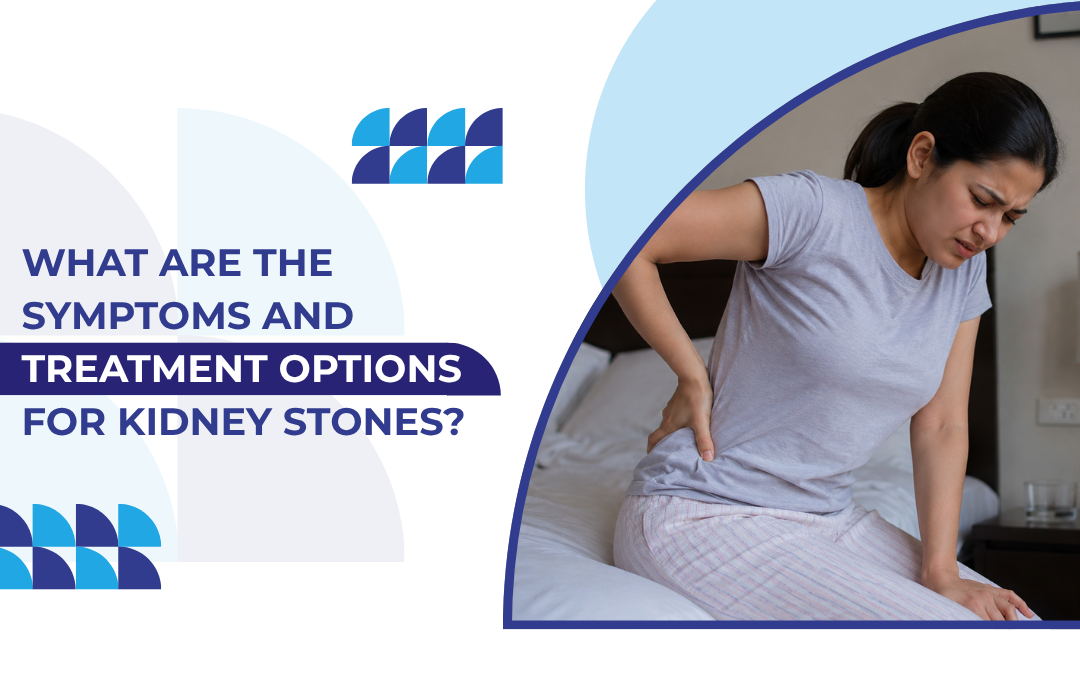
Kidney stones tend to announce themselves through sharp pain in the side or back, urine that turns pink or red, and a wave of nausea that comes with it. Most of the time the smaller ones move out on their own, helped along by plenty of water and something for the pain. Larger stones are a different story. When one is too big to pass, procedures such as shock wave lithotripsy or ureteroscopy step in to break it up or remove it. Roughly one in eleven people forms a stone at some stage, and once you’ve had one, the odds of another climb. Catching the signs early usually means a gentler fix.
According to a senior nephrologist at Echelon Hospital, “people almost always underestimate the pain, and that’s what brings them in. Stone pain isn’t dull. It arrives in waves, doubles you over, then eases before hitting again. We see it constantly. Missed water intake. Too much salt. A family history nobody thought mattered. My honest take? Don’t wait it out at home. Get the scan. A small stone caught early is a very different problem from a large one left alone.”
What Are the Symptoms of Kidney Stones?
Kidney stone symptoms include sharp side or back pain, pink or red urine, and nausea. The catch is that they don’t all show up at once, and a small stone can sit quietly for a while before it moves. So the signs are worth knowing early.
The pain: It usually starts below the ribs, on one side, then travels toward the groin as the stone shifts. Sharp, gripping, and it comes in waves rather than staying steady.
Urine changes: Blood can tint it pink, red, or brown. Some notice a cloudier look or a sharper smell. And needing to go far more often, with little to show for it, points the same way.
Nausea and unrest: The kidneys share nerve pathways with the gut, so a stone can turn the stomach. Vomiting shows up in plenty of cases. Restlessness too, because no position brings relief.
Fever warning: Chills and a temperature alongside stone pain change everything. That combination can mean infection sitting behind a blockage. It isn’t a wait and see sign.
Read together, these symptoms tell a story that a scan can confirm in minutes. At Echelon Hospital, dedicated kidney care begins with the right imaging, never a guess.
Dealing with sudden side or back pain?
What Are the Treatment Options for Kidney Stones?
Treatment turns on one thing above all: size. A stone a few millimetres across behaves nothing like one that fills the drainage path, and the plan follows suit.
Passing it naturally: Small stones pass with water and pain relief in most cases. Steady hydration keeps things moving, and medication can relax the ureter to ease the journey. Patience is part of it.
Shock wave lithotripsy: For mid-sized stones, focused sound waves break the stone into fragments small enough to pass. No cut, no overnight stay in most cases. The pieces clear over the following days.
Ureteroscopy: A thin scope passes up to reach the stone directly, and a laser breaks it apart. Larger stones need procedures like shock wave lithotripsy or ureteroscopy, and this one handles stones lodged lower down particularly well.
Prevention after: Clearing a stone is only half the job. Diet changes, salt control, and steady fluids cut the odds of the next one. Because a first stone rarely stays the last.
The right choice depends on your stone, your history, and a proper assessment. Consistent follow up and kidney monitoring keep small problems from turning into larger ones.
Why Choose Echelon Hospital for Kidney Stone Care?
Echelon Hospital has spent years treating patients through everything from a first mild stone to painful, recurring ones. Its specialists hold advanced qualifications, with experience across dialysis, stone management, and complex kidney care. But credentials alone aren’t the point. What matters is the first step, an accurate diagnosis that pins down the stone’s size, position, and cause before any treatment is chosen.
Stones rarely come from a single habit, which is why tougher cases get reviewed alongside urology and critical care rather than treated on a guess. Most small stones pass without surgery through hydration and early care, and procedures stay reserved for the stones that truly need them. Book your consultation today by calling +918989585050.
FAQ
What are the symptoms of kidney stones?
Kidney stone symptoms include sharp side or back pain, pink or red urine, and nausea.
How are small kidney stones treated?
Small stones pass with water and pain relief in most cases.
When do kidney stones need a procedure?
Larger stones need procedures like shock wave lithotripsy or ureteroscopy.
Can kidney stones come back?
Because a first stone rarely stays the last, prevention matters.
References
- NHS — Kidney stones: https://www.nhs.uk/conditions/kidney-stones/
- NIDDK (NIH) — Kidney Stones: https://www.niddk.nih.gov/health-information/urologic-diseases/kidney-stones
Disclaimer: This article is for general awareness only and does not replace professional medical advice. Please consult a qualified nephrologist for your specific condition.