
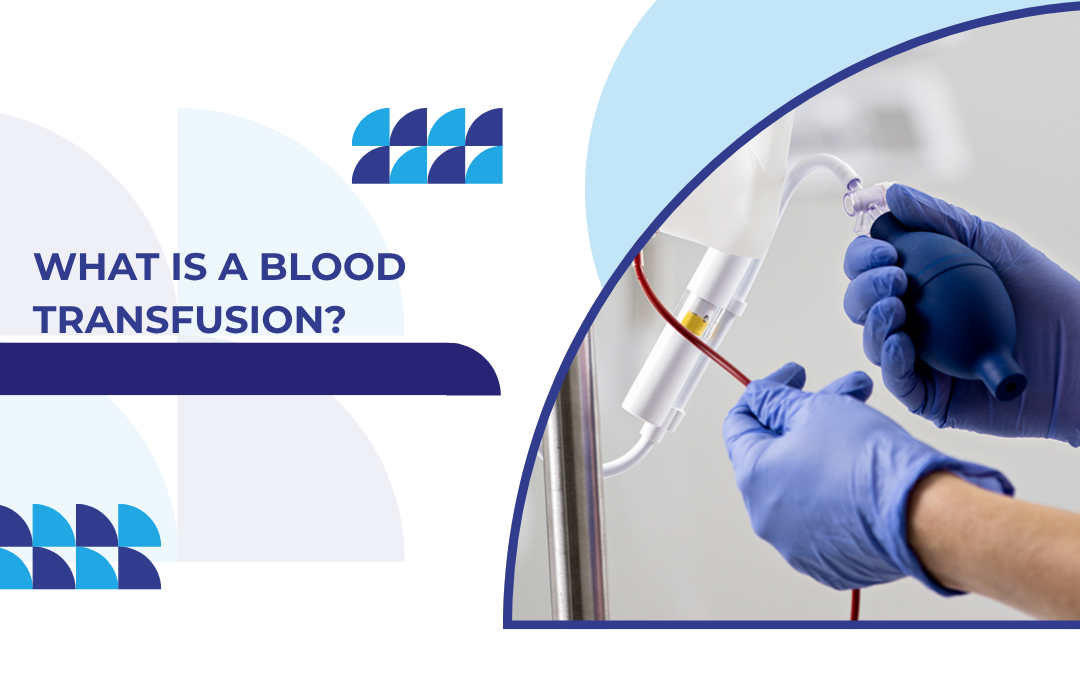
A blood transfusion helps replace blood or specific blood components that the body cannot produce enough of or has lost too quickly. Before use, donated blood is carefully tested and matched to ensure safety. The transfusion is given through an IV line and may take one to four hours depending on the amount required. In many cases, patients receive only the specific component they need, such as red blood cells, platelets, or plasma, rather than whole blood. Blood transfusions are commonly needed during major surgeries, severe anemia, or significant blood loss due to injuries.
According to the senior hematologist at Echelon Hospital, a super speciality hospital in Navi Mumbai, “Many people think a blood transfusion is only used in emergencies. However, it is often a planned and carefully managed treatment that supports recovery and helps the body function properly when blood levels are low.”
What Actually Happens During a Blood Transfusion?
A blood transfusion is a carefully planned process, not something that happens randomly. Before the transfusion begins, the patient’s blood type is checked and matched with donor blood to reduce the risk of reactions and ensure the treatment is safe.
- Choosing the right blood component: The type of transfusion depends on the patient’s condition. Some people need red blood cells to improve oxygen supply, while others may require platelets for clotting or plasma for specific medical needs.
- Close monitoring during transfusion: Patients are monitored throughout the procedure, with healthcare teams regularly checking vital signs during the one to four hours the transfusion usually takes to ensure everything is progressing safely.
- Checking the results: After the transfusion, doctors may perform blood tests to evaluate the response, including checking hemoglobin, platelet levels, or other relevant markers.
For patients with long-term conditions such as blood cancers or thalassemia, hematology care plays an important role in managing ongoing transfusion needs and creating a long-term treatment plan. Regular specialist support helps monitor the condition and provide the right care at every stage.
Wondering if a transfusion might be relevant to your treatment plan?
When Does a Patient Actually Need a Transfusion?
A low blood count alone does not always mean a transfusion is needed immediately. Doctors consider factors like the severity of the condition, symptoms, and how quickly blood levels are dropping before deciding the right time for treatment. Understanding related health changes, such as diabetes symptoms, can also help patients manage conditions that may affect overall health and recovery.
- Severe anemia: When hemoglobin levels become too low, the body may not receive enough oxygen, and a blood transfusion may be needed to restore healthy levels.
- Major surgery: Blood may be kept ready before complex procedures because the amount of blood loss can vary depending on the type of surgery.
- Cancer treatment: Patients undergoing chemotherapy may experience reduced blood cell production, making transfusions a planned part of their treatment rather than only an emergency measure.
- Trauma and major blood loss: In emergency situations, transfusions may be needed quickly to replace lost blood and stabilize the patient.
Why Choose Echelon Hospital
At Echelon Hospital, the hematology and blood bank teams work closely with surgical and critical care departments to ensure blood is available whenever patients need it. Every blood unit goes through careful testing and matching before use, and patients are monitored during the transfusion to ensure their safety and comfort.
A blood transfusion may sound worrying at first, but it is a well-established and carefully managed procedure. With proper testing, monitoring, and expert care, transfusions are performed safely every day to support patients during their recovery.
📞 Call +91 8989585050 to book your consultation.
FAQ
Is a blood transfusion painful?
Not really. Just the needle going in, same as any regular IV.
How long does a transfusion take?
Somewhere between one and four hours usually, depends what’s being given.
Are blood transfusions safe?
Very safe overall, donated blood goes through extensive testing before it’s ever used.
Can transfusion reactions happen?
Rarely, mild reactions occur occasionally, and patients are monitored closely to catch them early.
References
- Blood Transfusion and Donation — MedlinePlus, NIH: https://medlineplus.gov/bloodtransfusionanddonation.html
- Blood Transfusions — MedlinePlus, NIH: https://medlineplus.gov/ency/patientinstructions/000431.htm
Disclaimer: This blog is for general awareness only and does not replace professional medical consultation.