
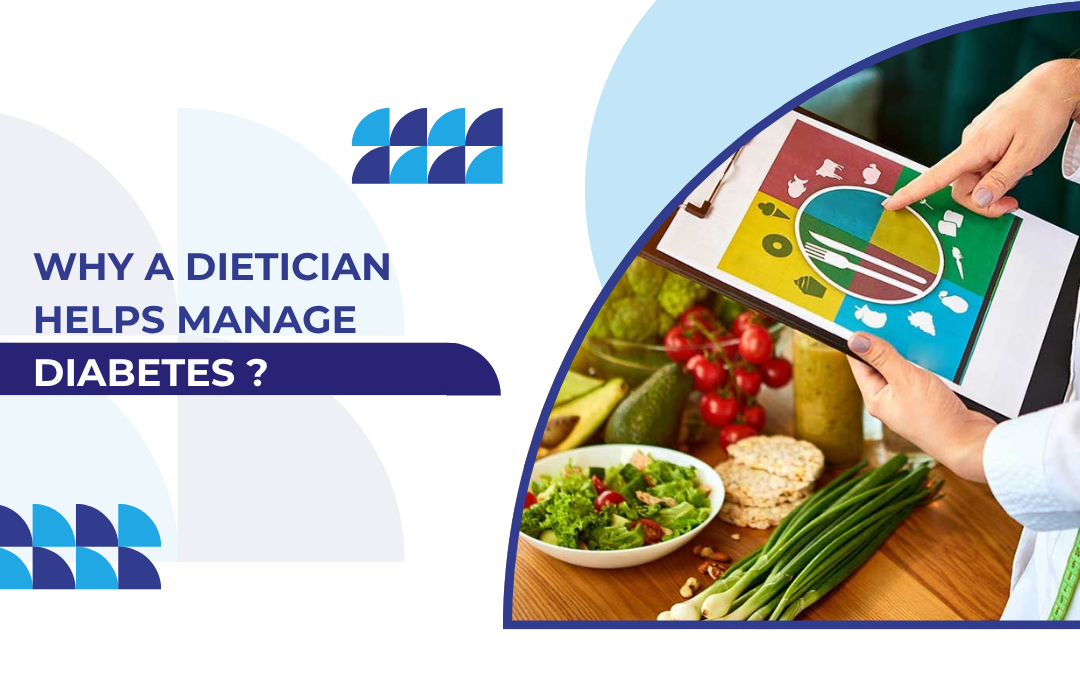
Medication controls blood sugar chemically, but food is what actually triggers those blood sugar swings in the first place, meal after meal, day after day. A dietician doesn’t just hand over a generic no-sugar list, honestly, that’s the misconception most patients walk in with. They look at portion sizes, meal timing, carbohydrate types, even how activity levels interact with what’s being eaten. Diabetes management really works best as a partnership between medication and food, not medication alone trying to compensate for eating habits that never actually changed.
According to the senior endocrinologist at Echelon Hospital, a super speciality hospital in Navi Mumbai, “Patients often think medication does all the work. It doesn’t, not really. Food choices affect blood sugar within hours, sometimes faster than any tablet can catch up to.”
What Does a Dietician Actually Do for Diabetes Patients?
Managing diabetes is not about unnecessary restrictions; it is about creating a balanced and sustainable approach to eating. A dietician helps patients understand how food choices, meal timing, and lifestyle habits can improve blood sugar control.
- Carbohydrate management: Spreading carbohydrate intake throughout the day helps prevent sudden blood sugar spikes and supports better glucose control.
- Portion guidance: Practical methods like the plate method help patients understand balanced portions instead of relying on vague advice to simply eat less.
- Personalised nutrition plans: Dieticians consider medications, activity levels, health goals, and cultural food preferences to create meal plans that suit each patient.
- Complication prevention: Proper nutrition can help reduce risks linked to long-term diabetes, including kidney and heart-related complications. Similar principles apply after bariatric surgery, where maintaining healthy diet and lifestyle habits plays an important role in long-term success.
Wondering how a dietician could fit into your diabetes management plan?
When Does Dietician Involvement Actually Make the Biggest Difference?
Not every diabetic patient needs the same level of nutritional support, timing matters here too.
New diagnosis. Early involvement helps patients build sustainable habits before old eating patterns get too deeply set in.
Poor blood sugar control despite medication often points to a diet mismatch that a dietician, not more medication, actually corrects.
Weight management goals overlap heavily with diabetes control, and dieticians coordinate both rather than treating them as separate issues.
Pregnancy with diabetes needs especially close dietary supervision, since both maternal and fetal outcomes depend heavily on blood sugar staying controlled.
Long-term diabetes also raises cardiovascular risk over time, which is part of why an echocardiography test sometimes becomes part of routine monitoring alongside dietary management.
Why Choose Echelon Hospital
The endocrinology team at Echelon Hospital works directly alongside dieticians, so blood sugar management isn’t left to medication alone.Diet isn’t an afterthought here. And that’s really the point, food choices shape outcomes just as much as any prescription does.
📞Call +91 8989585050 to book your consultation.
FAQ
Do all diabetes patients need a dietician?
Most benefit significantly, especially those newly diagnosed or struggling with control despite medication.
Can diet alone control diabetes without medication?
Sometimes, particularly in early type 2 diabetes, though many patients still need both.
How often should a dietician be consulted?
Initially often, then periodically as goals, medication, or health status change over time.
Does a dietician replace a diabetologist?
No, they work together, addressing nutrition and medical management as separate but connected pieces.
References
- Diabetes Diet, Eating, & Physical Activity NIDDK, NIH: https://www.niddk.nih.gov/health-information/diabetes/overview/diet-eating-physical-activity
- Diabetes Meal Planning CDC: https://www.cdc.gov/diabetes/healthy-eating/diabetes-meal-planning.html
Disclaimer: This blog is for general awareness only and does not replace professional medical consultation.