
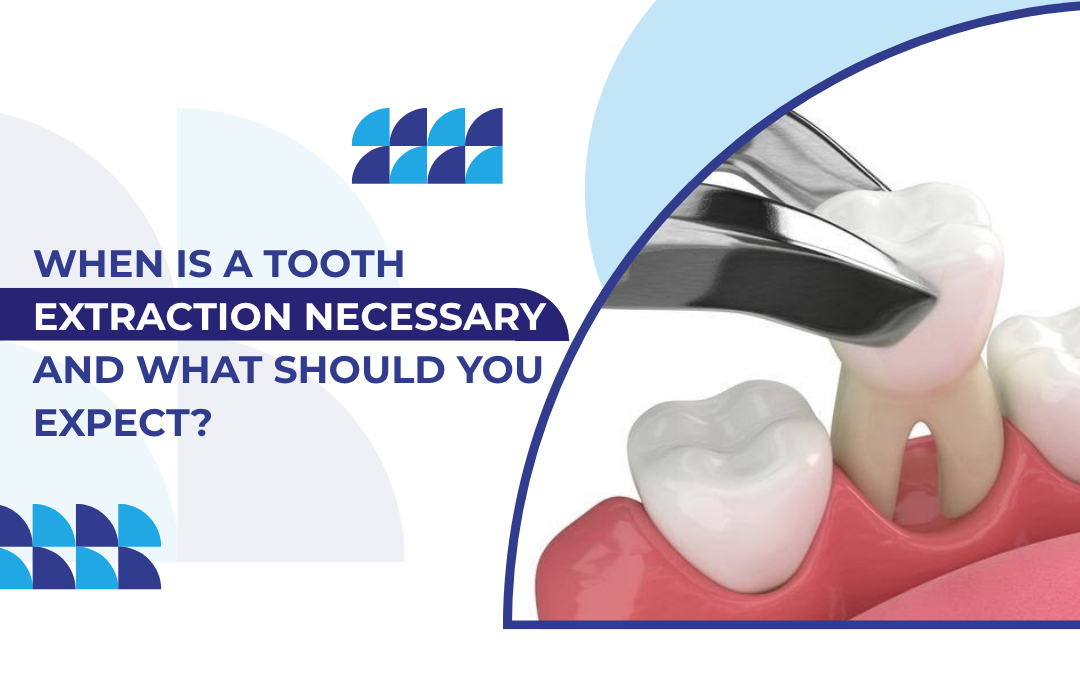
A tooth extraction becomes necessary when a tooth is too severely damaged, infected, or structurally compromised to be saved through fillings, root canal treatment, or other restorative options, with the most common reasons being advanced decay, irreversible infection, impacted wisdom teeth, and overcrowding ahead of orthodontic treatment.
According to a Dental Surgeon at Echelon Hospital, a multispecialty hospital in Kopar Khairane,
“Extraction is always a last resort. Most patients who come in convinced they need a tooth pulled can actually be treated conservatively, but when the tooth genuinely cannot be saved, removing it promptly prevents the infection from spreading to surrounding teeth and bone.”
When Does a Tooth Actually Need to Be Extracted?
Not every damaged or painful tooth requires extraction. A dentist will exhaust conservative options before recommending removal, but certain clinical situations make extraction the only appropriate course of action.
- Severe decay reaching the pulp: When tooth decay has destroyed enough structure that a filling or crown cannot restore function, and the pulp infection cannot be resolved with root canal treatment, extraction prevents further spread to adjacent teeth and the jawbone.
- Irreversible periodontal disease: Advanced gum disease that has caused significant bone loss around a tooth can make it too loose to function or respond to treatment, making extraction necessary to preserve the surrounding teeth and bone.
- Impacted or partially erupted wisdom teeth: Wisdom teeth that cannot fully emerge, grow at an angle, or cause repeated infections in the surrounding gum tissue are routinely extracted to prevent damage to adjacent molars and recurrent pain.
- Orthodontic or prosthetic reasons: Teeth that are severely overcrowded and cannot be aligned without creating space, or teeth that obstruct the placement of a denture or implant, may need to be extracted as part of a planned treatment sequence.
For patients in Navi Mumbai requiring extraction or any other dental treatment, Echelon Hospital provides comprehensive oral and maxillofacial care under one roof.
Concerned about a painful or damaged tooth?
What Happens During and After a Tooth Extraction?
Understanding what the procedure involves and what to expect during recovery helps patients approach extraction with confidence rather than anxiety.
- Before the procedure: The dentist takes an X-ray to assess the tooth’s root structure and position, reviews medical history including any blood thinners or medical conditions, and administers a local anaesthetic to fully numb the area before starting.
- During the procedure: A simple extraction involves loosening the tooth with an elevator instrument and removing it with forceps, taking only a few minutes. Surgical extraction, used for impacted or broken teeth, requires a small incision in the gum and sometimes removal of a small amount of bone.
- Immediately after: A gauze pad is placed over the socket and the patient bites down firmly to control bleeding. A blood clot forms in the socket within the first hour, which is essential to healing and must not be disturbed by rinsing vigorously, using a straw, or smoking.
- Recovery over the following days: Mild swelling, soreness, and some bleeding are normal in the first 24 to 48 hours. Soft foods, prescribed pain relief, and gentle salt water rinses from the second day onward support healing, and most patients return to normal activity within two to three days for simple extractions.
Just as preparation matters before any procedure, understanding post-procedure care is equally important, much like the structured recovery instructions that follow other clinical interventions such as colonoscopy preparation in ensuring the best outcome.
Why Choose Echelon Hospital for Dental Care in Kopar Khairane ?
Echelon Hospital is a NABH pre-accredited multispecialty hospital in Kopar Khairane, Navi Mumbai, with a dedicated dental and maxillofacial department offering the full range of oral care from routine extractions and wisdom tooth surgery to implants, cosmetic dentistry, and complex jaw procedures. Every patient is assessed with digital X-rays before any treatment decision is made, and the team follows a conservative approach that prioritises saving the tooth wherever clinically possible.
FAQ
Is tooth extraction painful?
The procedure itself is not painful because the area is fully numbed with local anaesthesia before the extraction begins. Some pressure and movement are felt but not pain. Soreness and mild discomfort typically appear a few hours after the anaesthetic wears off and are managed with prescribed or over-the-counter pain relief.
What is dry socket and how can it be prevented?
Dry socket occurs when the blood clot that forms in the extraction socket is dislodged or dissolves before the wound heals, exposing the underlying bone and causing significant pain. It is prevented by avoiding smoking, vigorous rinsing, spitting, and using straws for at least 48 hours after extraction.
How long does it take to recover from a tooth extraction?
Simple extractions typically heal within seven to ten days, while surgical extractions for impacted teeth may take two to three weeks for full soft tissue healing. Bone remodelling in the socket continues for several months beneath the surface.
Can a tooth always be saved instead of extracted?
Not always. While dentists make every effort to preserve natural teeth through fillings, crowns, or root canal treatment, teeth with extensive structural loss, severe infection that has not responded to treatment, or significant bone loss from periodontal disease may not be restorable and must be extracted.
What are the options for replacing an extracted tooth?
The main replacement options are a dental implant, a fixed bridge, or a removable partial denture. A dental implant is generally considered the gold standard as it replaces the tooth root and prevents bone loss in the socket, while a bridge or denture restores appearance and function without surgery.
Disclaimer: This blog is for educational and informational purposes only and should not be considered professional advice.