
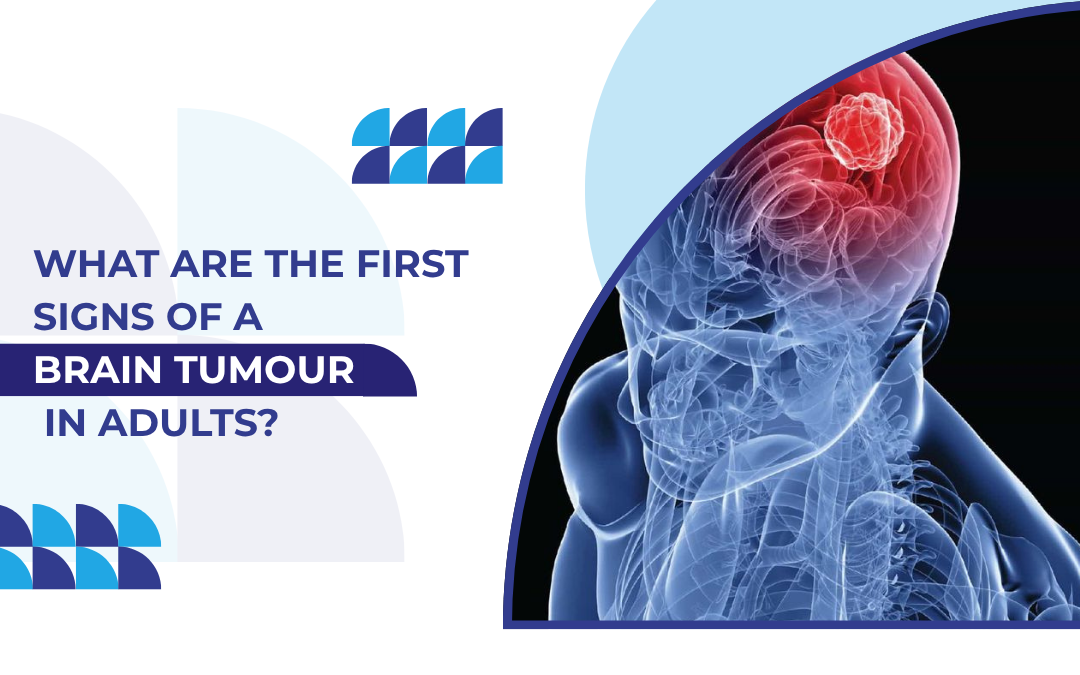
The first signs of a brain tumour in adults are often subtle and vary depending on where the tumour is located, but the most commonly reported early symptoms include persistent or worsening headaches, new-onset seizures, unexplained changes in vision, and gradual weakness or numbness on one side of the body.
According to a Neurosurgeon at Echelon Hospital, a multispecialty hospital in Kopar Khairane,
“Most patients who come to us with a brain tumour diagnosis had symptoms for weeks or months before seeking care, and the ones who do best are almost always those who acted on an early warning sign rather than waiting for it to become severe.”
What Early Symptoms Should Adults Not Ignore?
Brain tumour symptoms appear because a growing mass increases pressure inside the skull or disrupts specific areas of brain function, which is why the pattern and progression of symptoms matters as much as the symptoms themselves.
- Persistent or worsening headaches: Headaches that are new in character, worse in the morning, or gradually increasing in frequency and severity over weeks are one of the most reported early signs, particularly when they do not respond to standard pain relief.
- New-onset seizures: A seizure occurring for the first time in an adult with no prior epilepsy history requires urgent investigation, as abnormal electrical activity caused by a tumour pressing on brain tissue is a common trigger.
- Vision, speech, or hearing changes: Blurred or double vision, loss of peripheral vision, difficulty finding words, or muffled hearing on one side can indicate a tumour affecting the relevant sensory or language areas of the brain.
- Weakness, numbness, or balance problems: Gradual weakness in one arm or leg, persistent numbness on one side of the body, or unexplained clumsiness and difficulty with coordination suggest a tumour affecting the motor pathways.
For adults in Navi Mumbai experiencing any of these symptoms, specialist neurosurgery assessment at Echelon Hospital can provide timely imaging and an accurate diagnosis.
Concerned about persistent neurological symptoms?
Which Symptoms Indicate a Brain Tumour Needs Urgent Evaluation?
Not every headache or episode of dizziness points to a brain tumour, but certain combinations of symptoms warrant prompt medical review rather than a wait-and-watch approach.
- Sudden severe headache described as the worst of one’s life: This pattern, especially with nausea or neck stiffness, can indicate bleeding near a tumour or a ruptured aneurysm and needs emergency attention.
- Progressive personality or cognitive changes: Memory lapses, difficulty concentrating, unusual mood shifts, or behavioural changes that family members notice first often reflect tumour involvement in the frontal lobe.
- Nausea and vomiting without a clear cause: When accompanied by headache and not linked to a gastrointestinal illness, this can signal raised intracranial pressure from a growing tumour.
- Symptoms that worsen progressively over weeks: Unlike migraines or tension headaches that come and go, brain tumour symptoms tend to steadily worsen over time, which is the key clinical flag that separates them from more common causes.
Understanding how the brain’s blood supply and neurological conditions relate to one another is also relevant; reading about interventional neurology can help patients understand why early brain imaging matters across multiple conditions.
Why Choose Echelon Hospital for Neurosurgery in Kopar Khairane ?
Echelon Hospital is a NABH pre-accredited multispecialty hospital in Kopar Khairane, Navi Mumbai, with a dedicated neurosurgery department offering advanced brain imaging, expert neurological assessment, and surgical treatment for brain tumours and related conditions. The team follows a structured diagnostic pathway from first consultation through to MRI, biopsy, and surgical planning, ensuring patients receive a clear diagnosis and a personalised treatment plan without unnecessary delay.
FAQ
Can a brain tumour be present without any symptoms?
Yes, some slow-growing brain tumours remain asymptomatic for a long period and are discovered incidentally during imaging done for another reason. Symptoms typically appear as the tumour grows and begins to press on surrounding brain tissue.
Are headaches from a brain tumour different from normal headaches?
Brain tumour headaches tend to be progressive, worsen over weeks, are often more severe in the morning, and may be accompanied by nausea, vomiting, or neurological symptoms such as vision changes. A headache that is new, persistent, or unlike any previous headache should be evaluated by a doctor.
What tests are used to diagnose a brain tumour?
An MRI scan with contrast is the primary diagnostic tool for identifying brain tumours. A CT scan may be used in emergency situations, and a biopsy is performed to confirm the tumour type and grade before treatment planning.
Do all brain tumours require surgery?
Not all brain tumours require immediate surgery. Treatment depends on the type, size, location, and grade of the tumour and may include surgery, radiation, chemotherapy, or a combination. Some slow-growing benign tumours are monitored with regular imaging.
At what age are brain tumours most commonly diagnosed in adults?
Brain tumours can occur at any adult age, but the risk increases with age and certain types are more common in adults over 40. A new neurological symptom at any age warrants evaluation rather than being dismissed as age-related.
Disclaimer: This blog is for educational and informational purposes only and should not be considered professional advice.