
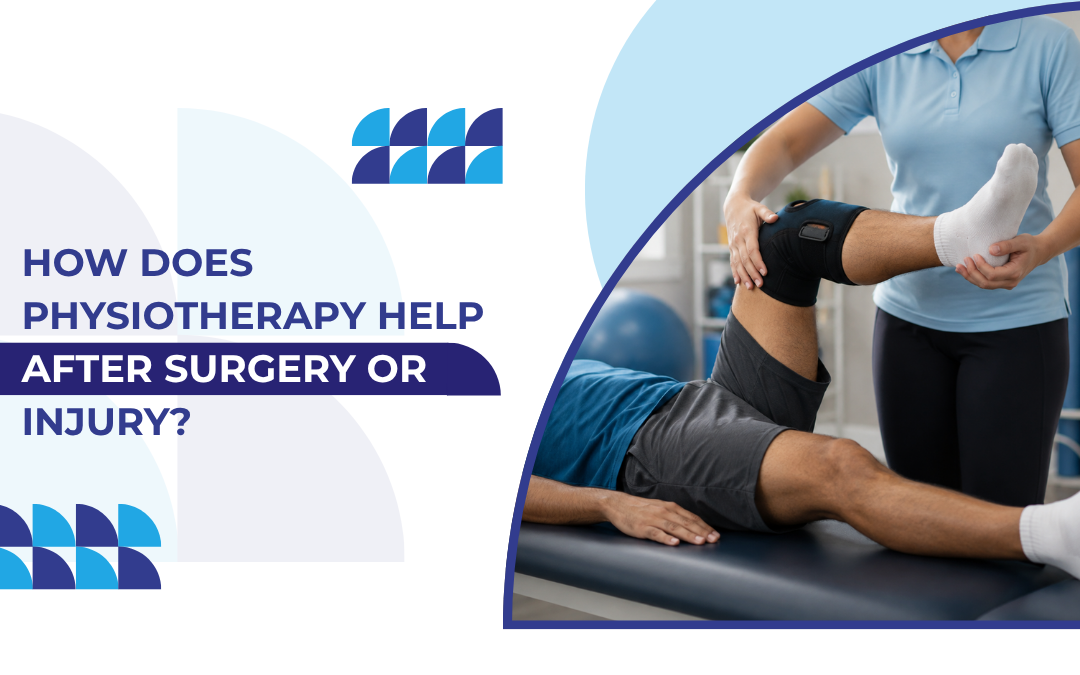
Physiotherapy isn’t an optional add-on after surgery or an injury. It’s often the part that decides how well you actually heal. Guided exercises, manual therapy, and targeted physical techniques work together to ease pain, bring joint movement back, and rebuild the muscle strength surgery tends to strip away fast. And the goal here isn’t just getting back to normal life. It’s getting there without the stiffness or repeat injuries that show up later when this step gets skipped.
According to the senior physiotherapist at Echelon Hospital, a super speciality hospital in Navi Mumbai, “Patients often think rest alone will fix things after surgery, and to a point it does. But muscles around a joint weaken fast once they stop being used, and that weakness is what causes problems six months down the line, not the original injury. Starting physiotherapy at the right time changes that entire trajectory.”
What Does Physiotherapy Actually Do After Surgery or Injury?
It’s more structured than just “moving around a bit.” Each phase targets something specific, and skipping one tends to show up later.
Pain and swelling control: Manual therapy and guided movement bring down inflammation without leaning on medication alone. Less pain early on usually means better cooperation with everything that follows.
Restoring joint movement: Surgery or immobilisation stiffens joints fast, sometimes faster than patients expect. Targeted stretching and mobility work bring that range back before it locks in for good.
Rebuilding muscle strength: Muscles around an injured area weaken quickly once they stop bearing weight. Progressive strengthening rebuilds that support layer. Slowly. Not overnight.
Preventing re-injury: A joint that’s technically healed isn’t always ready for daily strain, so physiotherapy fills that gap. Because a joint resurfacing the same injury a few months later happens more often than people think.
For anyone searching for a physiotherapist in Navi Mumbai after a procedure, this is exactly the kind of structured physiotherapy and rehabilitation support that shortens the road back.
Recovering from surgery and not sure where to start?
When Should You Start Physiotherapy After Surgery?
Timing matters more than most people expect. Too early risks strain, too late risks stiffness that’s harder to reverse.
Right after major surgery: Most surgeons bring in physiotherapy within a day or two, once it’s safe, purely to stop stiffness from setting in early.
During cast or brace immobilisation: Even while a limb sits immobilised, physiotherapy can keep nearby joints moving, so the whole limb doesn’t lose function just because one part is locked down.
Once the cast comes off: This is where physiotherapy after surgery recovery really ramps up. Focused on rebuilding strength and range that was lost during immobilisation.
Following a soft tissue injury: Sprains and ligament tears actually heal faster with early, guided movement than with strict rest, which is the opposite of what most people assume walking in.
Ligament recovery is a good example of how much timing shapes the outcome. This ACL reconstruction recovery timeline walks through what physiotherapy looks like at each stage after that kind of surgery.
Why Choose Echelon Hospital for Physiotherapy and Recovery?
Echelon Hospital runs physiotherapy and rehabilitation as an integrated part of post-surgical care, not as a separate referral handed off after discharge. Orthopaedic, general surgery, and physiotherapy teams work off the same recovery plan, and that matters, because the right exercises depend heavily on what the surgery actually involved. No handoff. No guesswork between departments.
For patients in Navi Mumbai who want steady, hands-on recovery support, that’s really the advantage of having it all under one roof. Surgeons and physiotherapists aren’t pulling from two different playbooks. Call +91 8989585050 to book your consultation.
FAQ
How soon after surgery can physiotherapy start?
Usually within a day or two, once your surgeon gives the go-ahead.
Does physiotherapy hurt?
Mild discomfort is normal. Sharp or lasting pain isn’t, and should be reported.
How long does post-surgery physiotherapy usually take?
Anywhere from a few weeks to several months, depending on the injury.
Can physiotherapy replace surgery?
For mild injuries, sometimes. Severe cases usually need both.
References
- World Health Organization, Rehabilitation Fact Sheet: https://www.who.int/news-room/fact-sheets/detail/rehabilitation
- American Physical Therapy Association, Physical Therapy Guide to Recovery After Surgery: https://www.choosept.com/guide
Disclaimer: This blog is for educational purposes only and is not a substitute for medical advice. Please consult your surgeon or physiotherapist before starting any exercise routine after surgery or injury.