
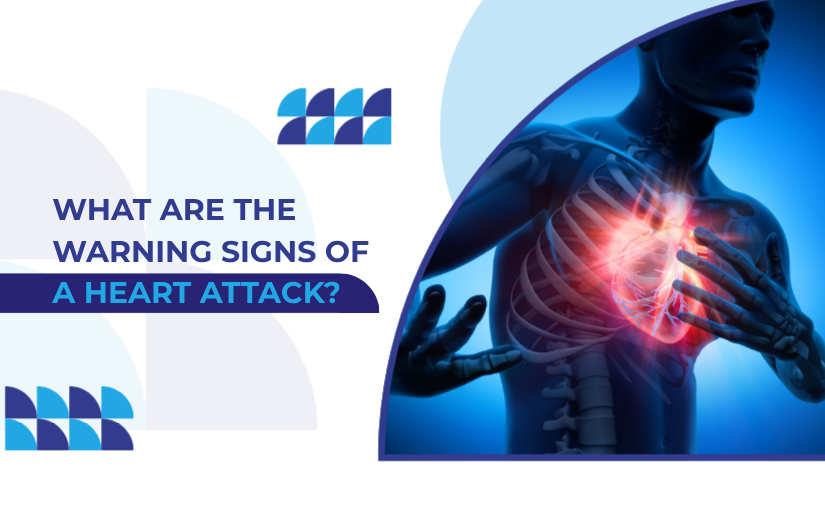
Heart attack warning signs include intense or mild chest discomfort (pressure, squeezing, pain) lasting more than a few minutes, pain spreading to the arms, back, neck, jaw, or stomach, shortness of breath, cold sweats, nausea, and lightheadedness. Symptoms can differ significantly between men and women – and if you suspect a heart attack, call emergency services immediately without waiting to see if it passes.
According to Cardiac Care Specialist at Echelon Hospital, one of the trusted Multispeciality hospital in Navi Mumbai.
“Chest pain is the one everyone knows. But half the patients we see never had chest pain at all – they had fatigue, jaw discomfort, a feeling something was off. That’s the version people need to understand.”
What Are the Early Warning Signs of a Heart Attack?
Here’s the problem. Most of these symptoms get chalked up to stress, indigestion, or a rough night’s sleep – and by the time someone takes it seriously, a lot of ground has already been lost.
- Chest discomfort: Not always sharp or sudden – often a dull pressure, a heaviness sitting right in the centre of your chest that eases off and quietly comes back. That pattern is the part most people miss entirely.
- Pain spreading outward: Moves to the arm, shoulder, jaw, neck or back; the left arm gets all the attention, but right-sided pain is just as real and gets written off far more often than it should be.
- Shortness of breath: Turns up completely on its own sometimes with no chest pain whatsoever – which is exactly why it doesn’t get flagged until things have already moved further along.
- Cold sweat, nausea, lightheadedness: Any one of these alone, easy to blame on a bad meal or a long day; together, they’re a combination that needs attention right now, not tomorrow.
None of this automatically means a heart attack – but it does mean something is wrong. If a few of these are landing at the same time, get cardiac care and let someone who knows what they’re looking at make that call.
Act quickly when it matters most. Speak to a cardiac specialist for immediate care and life-saving support.
How Are Heart Attack Symptoms Different in Women?
Women’s cardiac symptoms frequently look nothing like the standard version – which means they get misread at every level, and the gap between when symptoms start and when women actually seek help is consistently longer.
- Unusual fatigue: Not regular end-of-day tiredness – something heavier and harder to explain that can settle in days before any other symptom even shows up.
- Jaw or upper back pain: Almost always blamed on tension, posture, or stress – rarely flagged as cardiac even though in women it’s a well-recognised warning sign that keeps getting overlooked.
- Nausea and vomiting: Reads like a stomach issue on the surface, but in women it’s one of the more consistent cardiac signals and gets missed constantly because it simply doesn’t fit the expected picture.
- A sense of doom or anxiety: Vague, hard to put into words, easy for everyone to dismiss – yet women who’ve been through heart attacks bring it up again and again as the first thing they noticed.
Women seek help later because what they’re feeling doesn’t match what a heart attack is supposed to feel like – and that delay is genuinely where the damage compounds. Knowing what these symptoms actually look like, especially the ones that have nothing to do with your chest, is what gets people through the door in time. Read more on cardiology treatment and what to expect when you come in.
Why Choose Echelon Hospital for Cardiac Care ?
Echelon Hospital runs a dedicated Cardiac Sciences unit that covers the full range – Cardiology, CVTS, Electrophysiology, and Thoracic Surgery – all under one roof in Kopar Khairane, Navi Mumbai. That matters more than it sounds; most cardiac cases don’t fit neatly into one box, and having every specialty in the same building means faster decisions, fewer referrals, and no time lost moving between departments when time is the one thing you can’t afford to lose.
The team handles everything from emergency cardiac response to complex planned interventions, with round-the-clock availability and diagnostics that go beyond the standard CT scan. Patients who’ve been told “everything looks normal” elsewhere come here and finally get an actual answer – because the right tools and the right clinical eye aren’t always the same thing, and here you get both.
Act quickly when it matters most. Speak to a cardiac specialist for immediate care and life-saving support.
FAQ
Is jaw pain always a sign of a heart attack?
Not always, but jaw pain paired with chest discomfort or fatigue needs immediate medical attention.
Can a heart attack happen without chest pain?
Yes, especially in women, diabetics, and older adults – symptoms can be mild or completely atypical.
How quickly should I act if I notice these symptoms?
Immediately; every minute of delay increases the risk of permanent damage to the heart muscle.
Can stress trigger a heart attack?
Severe emotional or physical stress can trigger cardiac events, particularly in people with existing heart conditions.
What is the difference between a heart attack and cardiac arrest?
A heart attack is a circulation problem; cardiac arrest is when the heart stops beating entirely and needs immediate resuscitation.
Reference Link :
American Heart Association – (AHA)
Centers for Disease Control and Prevention – (CDC)