
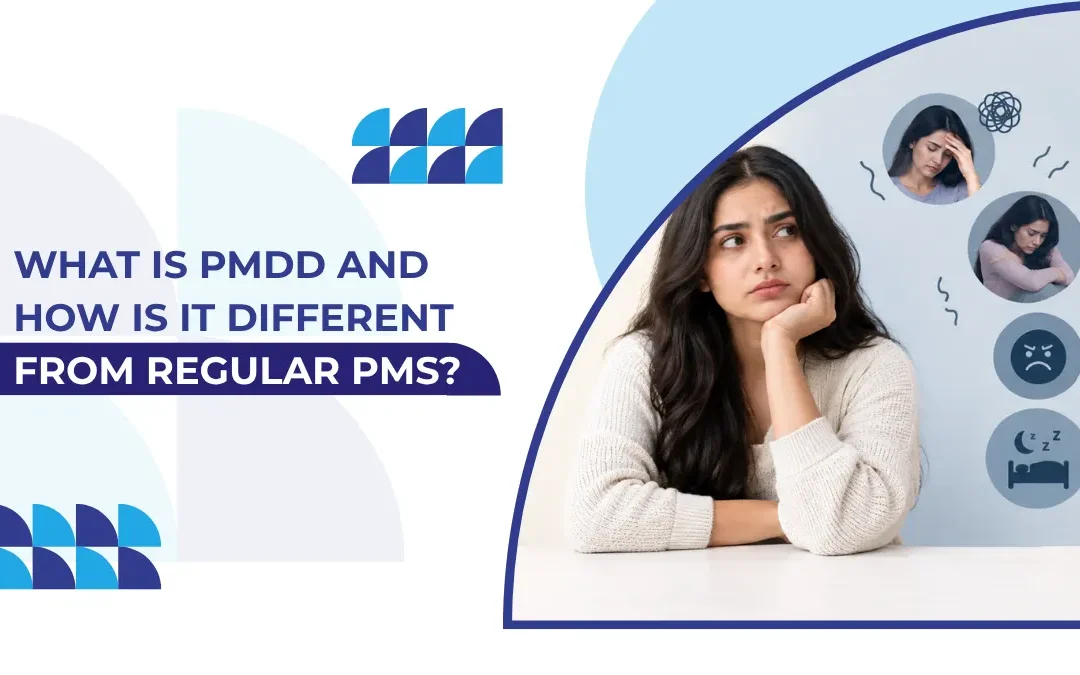
PMDD stands for Premenstrual Dysphoric Disorder. In the days before a period it brings on emotional and physical symptoms that are genuinely intense. This is not everyday PMS. It affects only three to eight women in every hundred, and it still gets shrugged off as bad PMS far too often, when what it really needs is proper care.
According to the senior psychiatrist at Echelon Hospital, a multi-specialty hospital in Navi Mumbai, “These mood changes are anything but mild. Women often tell me they haven’t felt like themselves for a week or two, dragged down by real despair or anger. Once it starts affecting relationships or work, it’s time to look beyond ordinary PMS. Thankfully, PMDD is treatable once it’s diagnosed”
What Does PMDD Actually Involve?
Picture PMS with the volume cranked right up, then some. Doctors treat PMDD as its own condition, and the symptoms tend to hit a fair bit harder.
- Severe mood shifts: Deep sadness, a short fuse, or a rush of hopelessness that feels wildly out of step with your day.
- Physical symptoms too: Bloating, sore breasts, low energy, headaches. They usually show up alongside the emotional strain.
- A clear monthly pattern: Things build in the week or two before a period, then fade within days of it starting.
- Real impact on daily life: This is the part that counts. Work, sleep, relationships. PMDD disrupts them far more than plain PMS ever would.
If any of this rings a bell, it’s worth turning to a team that offers proper psychiatric care rather than soldiering through it month after month.
Do your premenstrual symptoms feel far worse than usual?
When Should You See a Doctor for PMDD?
Plenty of women wait years on this, sure it’s just how they’re wired. It needn’t be. Watch for a few clear signals that it’s time to speak up.
- When symptoms disrupt your life: Work, sleep or relationships taking a hit every month is reason enough to get looked at.
- When your mood turns very dark: Thoughts of self-harm, or a crushing wave of despair, need help there and then. Not next cycle.
- When PMS remedies aren’t working: Rest, better meals, painkillers, and still no dent? The root cause may sit deeper.
- When the pattern keeps repeating: A steady monthly run of severe symptoms points at PMDD, not the odd off day.
PMDD sits within a wider group of conditions that specialists manage. This related read on what else a psychiatrist treats shows how it fits alongside other mood and hormonal concerns.
Why Choose Echelon Hospital for PMDD Care?
Echelon Hospital is a NABH pre accredited multispecialty hospital in Kopar Khairane. Here the psychiatry team works side by side with gynaecology, treating PMDD from both angles at once. That partnership matters. Addressing the hormonal and emotional sides together tends to help far more than tackling just one. Women searching for a psychiatrist near me often want their symptoms to be taken seriously, and that’s where the right team can make a difference. Call +91 8989585050 to book a consultation.
FAQ
Is PMDD a mental health condition or a hormonal one?
It’s both. Hormonal changes are what set off the severe mood and physical symptoms.
Can PMDD be treated?
Yes. Most plans mix lifestyle changes with therapy and medication.
How is PMDD diagnosed?
Usually by tracking your symptoms across two or more menstrual cycles.
Does PMDD go away on its own?
It tends to stick around, but the right treatment keeps it well managed.
References
- Mayo Clinic, Premenstrual Dysphoric Disorder: https://www.mayoclinic.org/diseases-conditions/premenstrual-syndrome/expert-answers/pmdd/faq-20058315
- Office on Women’s Health, Premenstrual Dysphoric Disorder: https://www.womenshealth.gov/menstrual-cycle/premenstrual-syndrome/premenstrual-dysphoric-disorder-pmdd
Disclaimer: This blog is for educational purposes only and does not constitute medical advice. Please consult a doctor if your premenstrual symptoms are severe or affecting daily life.